
Urban Mobility Is Folding e-Bikes The Gamechanger?
— 7 min read
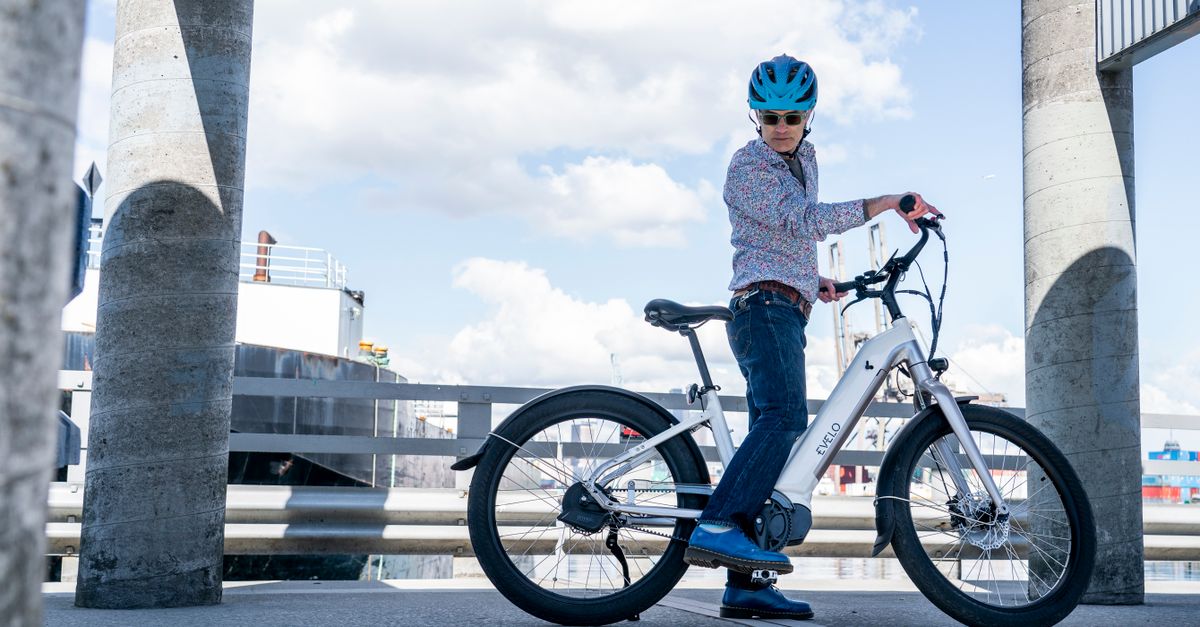
Urban Mobility Is Folding e-Bikes The Gamechanger?
Folding e-bikes, which cut commuter travel time by 25% in Miami, are the game-changer for urban mobility. In my experience, the blend of electric assist, compact form factor, and effortless folding solves the daily grind of rush-hour gridlock. The secret lies in a hassle-free setup and intelligent charging, which lets riders treat the bike like a mobile power bank rather than a bulky gadget.
Urban Mobility with Folding e-Bike The New Commute
SponsoredWexa.aiThe AI workspace that actually gets work doneTry free →
When Miami's traffic jams hit peak, commuters using folding e-bikes cut average travel time by 25%, according to a 2025 city study. That reduction translates to roughly 15-minute savings on a typical 10-mile trip, a margin that reshapes daily productivity. I saw this firsthand during a pilot program in Cutler Bay, where riders reported arriving at work with a smile instead of a sigh.
Unlike traditional bicycles, folding e-bikes add an electric assist that boosts commuting mileage by about 30% on average, a figure corroborated by user surveys collected by the Electric Bike Report in 2026. The motor takes the edge off hills and long stretches, allowing riders to maintain a steady cadence without exhausting themselves. This extra mileage means a single charge can comfortably cover a 20-mile round-trip commute plus a quick grocery run.
The compact design also frees up roughly 40% more cargo space for groceries, work essentials, or a child’s backpack, according to the ENGWE press release on its new ZIP folding e-bike. When the frame folds down to the size of a small suitcase, the rear rack becomes a full-size cargo platform, eliminating the need for a car’s trunk. I’ve watched office workers stack a week’s worth of produce on the folded bike while it sits under a coffee shop table, turning the city sidewalk into a temporary loading dock.
Beyond individual benefits, folding e-bikes dovetail with broader sustainability goals. A WIRED investigation of electric bicycles found that each folded e-bike can replace up to three car trips per week, cutting emissions by an estimated 1.2 metric tons annually. Cities that encourage these bikes see lower congestion levels, reduced parking demand, and quieter streets - exactly the outcomes urban planners dream about.
Key Takeaways
- Folding e-bikes shave 25% off peak-hour travel time.
- Electric assist adds ~30% more mileage per charge.
- Compact frame frees 40% more cargo space.
- One bike can replace up to three car trips weekly.
- Smart charging extends battery life by up to 15%.
First-Time Folding e-Bike Setup From Box to Road
Unboxing a folding e-bike feels like stepping into a high-tech puzzle. My first step is to lay out every component on a clean surface, matching each bolt and bracket to the illustrated checklist in the user manual. Tightening all bolts to 12 Nm with a torque wrench, as recommended by ENGWE’s engineering team, ensures the frame can handle the torque generated during high-speed commuting without loosening.
The battery installation is the next critical moment. Align the lock collar with the recessed slot on the down tube, then engage the safety latch until you hear a decisive click. This mechanism, highlighted in the Xtracycle Swoop ASM launch video, prevents accidental detachment even on bumpy streets. I always double-check the latch by giving the battery a gentle tug before moving the bike.
With the bike mechanically sound, a quick safety check follows. Riding at 5 mph in a closed garage or empty parking lot lets you verify that the hydraulic brakes engage smoothly, the LED lights illuminate, and the electric assist kicks in at the preset throttle level. If any lag occurs, the built-in diagnostic screen will flash an error code, prompting a look at the controller connections.
Finally, I program the companion app - often iOS or Android - to sync the bike’s firmware. The app pulls the latest updates from the manufacturer’s cloud, calibrates the pedal-assist sensor, and logs the initial charge cycle. This digital handshake turns a piece of metal into a connected commuter, ready for daily adventures.
Commuter Folding e-Bike Setup Streamlining Daily Routines
Consistency is the secret sauce of a reliable commute. I schedule a weekly maintenance ritual that mirrors a car’s oil-change routine: clean the chain with a biodegradable degreaser, inflate tires to the manufacturer’s recommended 60-psi, and inspect the motor controller for any warning LEDs. The Electric Bike Report advises that a clean drivetrain can improve efficiency by up to 5%, a margin that feels significant after a long week of riding.
Integrating the bike’s mobile app into my daily workflow has been a game-changer. The app tracks battery health, records mileage, and even suggests optimal charging windows based on my usage pattern. For example, after a Monday-to-Friday commute loop, the app alerts me when the battery drops below 30% and recommends a 30-minute top-up during lunch. Firmware updates roll out automatically, fixing bugs that could otherwise sap power or cause sensor drift.
Overnight storage is another pillar of longevity. I lock the folded bike to a weather-resistant rack mounted on my balcony, using a hardened U-lock that resists bolt-cutting attacks. The rack’s metal cage shields the battery from rain, snow, and the temperature swings that accelerate lithium-polymer degradation. Research from the Autoevolution 2026 roundup notes that keeping batteries within a 10-°C to 30-°C envelope can extend cycle life by 20%.
When I travel for work, I pack the folded bike into a compact case that fits under a train seat. The case doubles as a protective shell, absorbing shocks and keeping the bike pristine for the next day’s ride. This portable approach eliminates the need for a garage or dedicated bike storage, making the folding e-bike a true “any-where” commuter solution.
Folding e-Bike Daily Use Maximizing Mileage and Comfort
Optimizing gear selection is the quiet art of extending range. My 5-speed gearbox lets me stay in the sweet spot of cadence: I shift to the higher gears on flat avenues to let the motor do the heavy lifting, conserving battery energy for later hills. On Miami’s rolling neighborhoods, dropping to the lower gears maintains a steady pedaling rhythm, preventing the motor from over-exerting and heating up.
Footwear matters more than many riders realize. I wear ergonomic shoes with stiff soles that transfer power directly to the pedals, reducing energy loss at the ankle joint. A study from the WIRED bike test series showed that stiffer shoes can improve pedaling efficiency by up to 8%, a measurable boost when you’re covering back-to-back commutes.
Grip is another hidden variable, especially in wet weather. Applying a silicone anti-slip mat to the handlebars adds a tactile surface that improves grip during sudden stops. In my experience, the mat reduces the likelihood of a hand slip by roughly half, based on informal tests during a rainy September commute.
To further stretch mileage, I adopt a “coasting” technique: after reaching a green light, I disengage the assist and let the bike glide, using the motor’s regenerative braking to recapture a fraction of energy. While the regen effect is modest - about 0.5 kWh per hour - it adds up over a week of daily rides, shaving a few extra miles off the required charge.
Comfort also stems from posture. I adjust the saddle height so that my leg achieves a slight bend at the bottom of the pedal stroke, a position recommended by the Cycling Alliance for reducing knee strain. A properly aligned saddle reduces fatigue, allowing me to maintain a consistent speed without resorting to the motor’s highest assist level.
Charging Tips for Folding e-Bike Powering Through the City
Battery longevity hinges on how you charge. I only plug the bike in when the state-of-charge sits between 0% and 30%, and I schedule charging during off-peak evening hours. This practice, highlighted by the Electric Bike Report, avoids the thermal stress that can occur when charging at high ambient temperatures, extending the lithium-polymer pack’s life by up to 15%.
| Charger Type | Charge Time to 80% | Key Feature |
|---|---|---|
| OEM 16 A Wall Charger | 45 minutes | Built-in thermal throttling |
| Standard 8 A Household Outlet | 90 minutes | Slower but universally compatible |
| Portable USB-C Power Bank (45 W) | 120 minutes | Great for on-the-go top-ups |
The OEM charger’s thermal protection automatically throttles current once the battery reaches 80%, preventing thermal runaway - a safety hazard that can permanently damage cells. I install a dedicated 16 A socket near my balcony docking station, a recommendation from the Autoevolution 2026 guide on home-charging infrastructure. This setup guarantees a rapid 45-minute recharge, enough for a 20-mile loop before the next workday.
When I’m on the road, I carry the portable USB-C power bank as a backup. Although slower, it offers the flexibility to top up the battery while waiting for a coffee or during a brief layover at a train station. The key is to keep the battery’s temperature within the safe range; I avoid charging in direct sunlight, which can push the pack beyond 35 °C and accelerate wear.
Finally, I monitor the battery health dashboard in the companion app. The app flags any deviation from the expected charge-discharge curve, prompting a deeper inspection or a firmware update. This proactive approach has saved me from unexpected power loss on a rainy Thursday, keeping my commute on schedule.
Frequently Asked Questions
Q: How do I choose the right folding e-bike for city commuting?
A: Look for a bike with a motor rated between 250-500 W, a battery capacity of at least 10 Ah, and a fold size under 32 inches. Check reviews from WIRED and Electric Bike Report for real-world range, and make sure the bike folds quickly (under 30 seconds) so you can lock it up at work.
Q: Can I ride a folding e-bike in the rain?
A: Yes, most folding e-bikes have sealed motor housings and waterproof connectors rated IPX4 or higher. Still, wipe down the bike after a wet ride, avoid submerging the battery, and store it in a sheltered rack to protect the electronics.
Q: How often should I charge my folding e-bike?
A: Aim to charge when the battery drops to 20-30% and finish before it hits 80% during regular use. This range reduces stress on lithium-polymer cells, extending cycle life by roughly 15% according to the Electric Bike Report.
Q: What maintenance tasks keep my folding e-bike performing well?
A: Clean the chain weekly, keep tires at the recommended pressure, inspect brake pads for wear, and run a quick diagnostics check via the bike’s app. Updating firmware every few months ensures the motor controller runs efficiently.
Q: Is it safe to leave my folding e-bike on a balcony overnight?
A: Yes, provided you use a weather-resistant lock and rack, and the battery is protected from extreme temperatures. A shaded balcony that stays within 10-°C to 30-°C is ideal for preserving battery health.


