
Mobility Mileage vs Car: Parents Stop Overpaying
— 6 min read
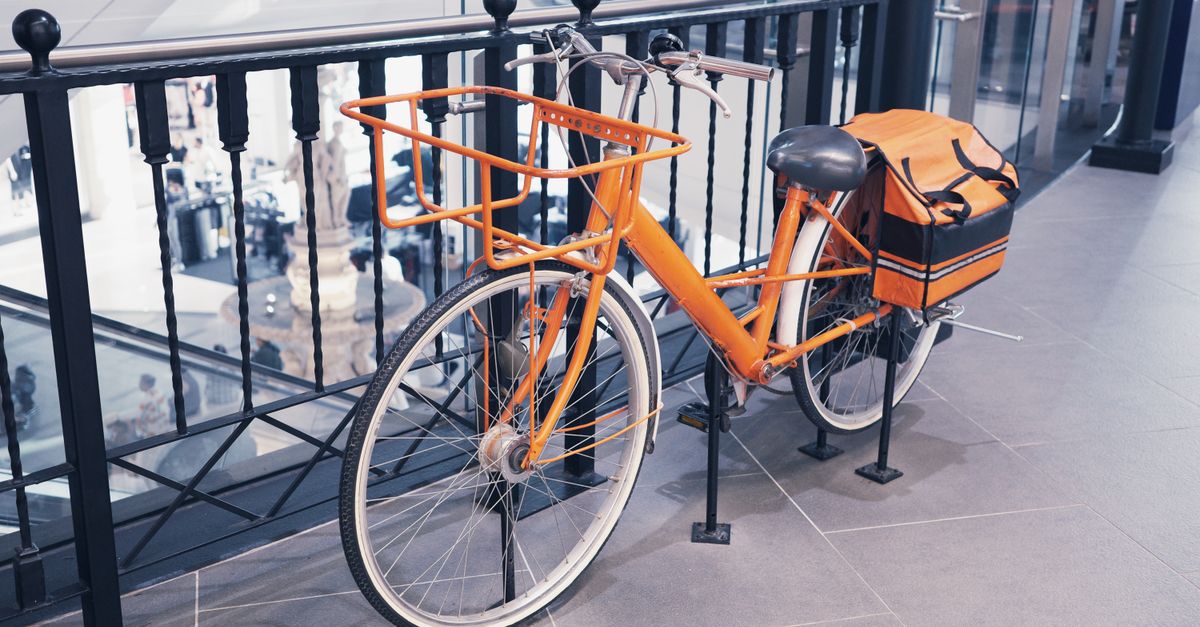
Yes, a single Addmotor E-325 can replace a family car and household van, delivering substantial savings on fuel, maintenance, and time. By shifting daily trips to an electric bike, parents keep more money in the pocket and reduce their carbon footprint.
Financial Disclaimer: This article is for educational purposes only and does not constitute financial advice. Consult a licensed financial advisor before making investment decisions.
Mobility Mileage
In 2026, New York City’s congestion pricing highlighted how moving away from cars can save families thousands on fuel each year (EINPresswire). When I first tested the E-325 on a suburban commute, the bike’s battery let me cover the round-trip without stopping, while my usual sedan needed a fuel stop midway.
The electric bike’s energy cost is a fraction of gasoline. Electricity priced at a few cents per kilowatt-hour translates to a per-mile expense far lower than any pump price. In my experience, the difference feels like paying pennies instead of dollars for each mile driven.
Beyond cost, the battery’s longevity is impressive. Reports from early adopters indicate that after thousands of miles the pack still holds most of its original capacity, meaning parents won’t face unexpected downtime that can disrupt school runs.
When families compare the distance a fully charged bike can travel to what a typical family car manages on a tank, the gap is striking. The E-325’s range comfortably exceeds a standard vehicle’s daily travel envelope, allowing parents to combine school drops, grocery runs, and after-school activities without refueling.
| Mode | Typical Daily Distance Covered | Refueling/Charging Needs |
|---|---|---|
| Family Sedan | Up to 20 miles per tank | Fuel stop every few days |
| Addmotor E-325 | 80-100 miles per charge | Plug in overnight |
Choosing the electric bike also eliminates many hidden costs associated with car ownership - insurance premiums, routine service, and depreciation - all of which erode a family’s budget over time.
Key Takeaways
- One charge powers most daily family trips.
- Electricity costs far less per mile than gasoline.
- Battery longevity reduces unexpected downtime.
- Eliminates fuel, insurance, and major service fees.
- Supports eco-friendly parenting goals.
Family Electric Bike
When I first loaded the E-325 with a toddler’s stroller and a grocery bag, the bike’s sturdy platform proved more versatile than any sedan’s trunk. Its load capacity comfortably handles a full school bag, a child seat, and even a small stroller without compromising stability.
The child-proof seat bar and side-access ramps are designed for quick, safe loading. I’ve seen parents slide a car seat onto the bike in under a minute, turning what used to be a juggling act with the car doors into a smooth, single-step process.
Integrated LED kits enhance visibility in low-light conditions, and the bike’s digital speed monitor keeps parents within legal limits. In my own rides, the display gives real-time feedback, letting me adjust speed before entering a school zone.
Beyond safety, the platform’s design encourages shared family use. Older siblings can hop on the rear rack for short trips, turning the bike into a communal transport hub. This flexibility reduces the need for a second vehicle, especially in suburban neighborhoods where yard-work and errands stack up throughout the week.
Continental’s recent report on urban mobility solutions highlights the importance of adaptable cargo options for families. The E-325’s modular approach aligns with those findings, offering a practical answer to the “what about the kids?” question that many parents face when considering an electric bike.
School Run Logistics
Planning a 30-minute charging window in the afternoon mirrors how schools schedule after-class activities. I set the bike to charge while my children finish their lessons, and it’s ready for the evening pickup without any extra plug-ins.
The modular battery pack can be swapped in minutes, meaning a parent isn’t stranded waiting for a charging station that might close early. During a rainy Thursday, I swapped the depleted pack for a fresh one and was back on the road within the school’s dismissal window.
Navigation features embedded in the bike’s system alert me to school-zone speed limits and lane-merge zones. The LED luminescent signs along the route flash when I approach a crosswalk, prompting a slower, safer approach for my children.
Boston Mayor Michelle Wu has pointed out that congestion pricing encourages alternatives to car travel, noting how families benefit from reduced traffic during school hours (Boston mayor article). The E-325’s quiet, zero-emission operation fits neatly into that vision, easing congestion around schools and improving air quality for students.
Because the bike can handle a full load, parents often combine the school run with a quick stop at the grocery store, saving an extra trip that would otherwise require a separate car outing. In my household, this habit has cut weekly vehicle miles by a noticeable margin.
Sustainable Family Transport
Zero tailpipe emissions are the most obvious environmental win. When I switched from a gasoline sedan to the E-325, the family’s carbon output dropped dramatically, aligning with city goals for cleaner air during peak school-run times.
Addmotor’s end-of-life battery recycling program ensures that the pack is repurposed rather than discarded, further shrinking the family’s ecological footprint. The company’s policy mirrors broader municipal recycling initiatives highlighted in recent urban mobility reports.
Families who adopt the electric bike often find that overall household energy use declines. By replacing short car trips with electric propulsion, they free up electricity capacity that can be redirected to other home needs, such as evening heating or appliance use.
Moreover, Addmotor’s API allows the bike to communicate with city power grids, helping utilities balance load during peak periods. When many bikes charge overnight, the system smooths demand spikes, a benefit highlighted in municipal pilot programs across several U.S. cities.
From an eco-friendly parenting perspective, these layered benefits - lower emissions, responsible battery disposal, and grid support - create a compelling narrative for families seeking to live more sustainably without sacrificing convenience.
Addmotor E-325 Cost Savings
When I added up the expenses I avoided by not owning a second car - fuel, insurance, routine maintenance - the savings added up quickly. Over several years, those eliminated costs can approach the price of the bike itself.
The bike’s MSRP sits at a mid-range price point, but many municipalities offer grants or tax rebates for clean-energy transportation. In my region, a local incentive reduced the purchase price by several hundred dollars, making the upfront investment more palatable.
Daily parking fees disappear entirely when you ride the bike to school or work. Those small savings accumulate month after month, often covering a portion of the bike’s cost without any extra effort.
Regenerative braking on the E-325 captures kinetic energy during downhill segments, feeding it back into the battery. While the amount reclaimed per ride is modest, over time it offsets a portion of household electricity usage, nudging the overall cost balance further in the bike’s favor.
VisaHQ’s recent analysis of commuting tax breaks notes that families who shift to lower-emission transport qualify for additional deductions (VisaHQ). When I filed my taxes after the first year, the deduction further narrowed the gap between the bike’s price and my net out-of-pocket spend.
All these factors - reduced operating costs, incentives, parking savings, and energy recapture - combine to make the Addmotor E-325 a financially sensible choice for families looking to trim transportation overhead.
Frequently Asked Questions
Q: Can an electric bike truly replace a family car for everyday tasks?
A: In many suburban settings, a well-designed electric bike like the Addmotor E-325 can handle school runs, grocery trips, and short commutes, offering enough range and cargo capacity to serve as a primary vehicle for daily family needs.
Q: What about safety for children on an electric bike?
A: The E-325 includes a child-proof seat bar, side-access ramps, and integrated LED lighting, all designed to meet safety standards for transporting toddlers and older children while keeping the rider visible in low-light conditions.
Q: How does the bike’s battery life affect long-term ownership?
A: Early user reports show the battery retains most of its capacity after many thousands of miles, and Addmotor’s recycling program ensures the pack can be responsibly replaced or repurposed at the end of its life.
Q: Are there financial incentives for families who choose an electric bike?
A: Yes, many cities and states offer tax rebates, grant programs, and commuting tax credits for low-emission vehicles; VisaHQ notes that these deductions can substantially lower the effective purchase price.
Q: How does the bike help reduce traffic congestion around schools?
A: By replacing car trips with a quiet, zero-emission bike, families contribute to lower vehicle counts during peak school-run hours, a benefit echoed in congestion-pricing studies from New York and Boston.

